GBT Dental hygiene treatment from just £90 – get in touch to book your appointment today.
Get in touch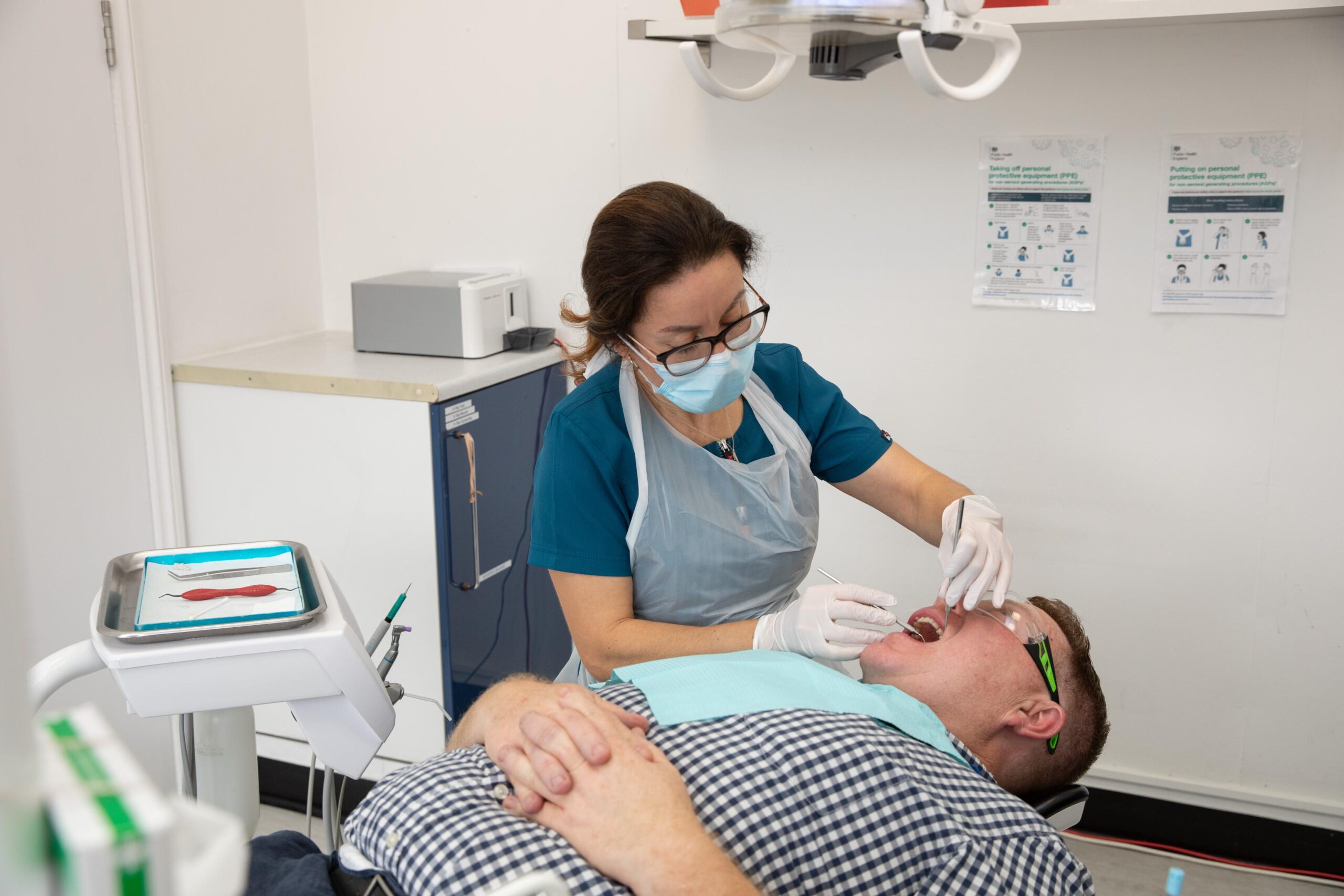
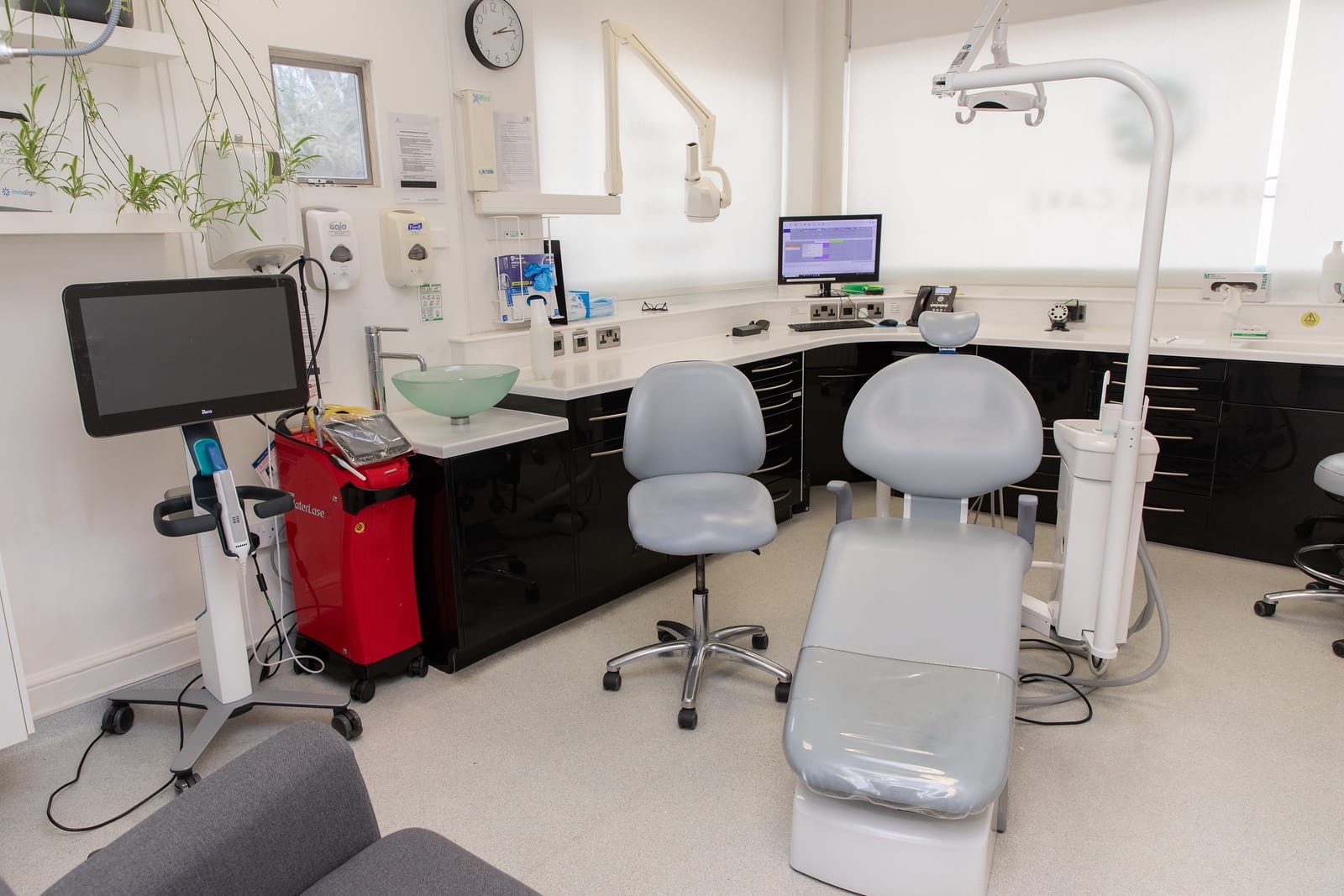
At W5 Dental Care, we make it our mission to provide the best care to our patients by investing in new technologies and techniques and striving to be at the forefront of our profession.
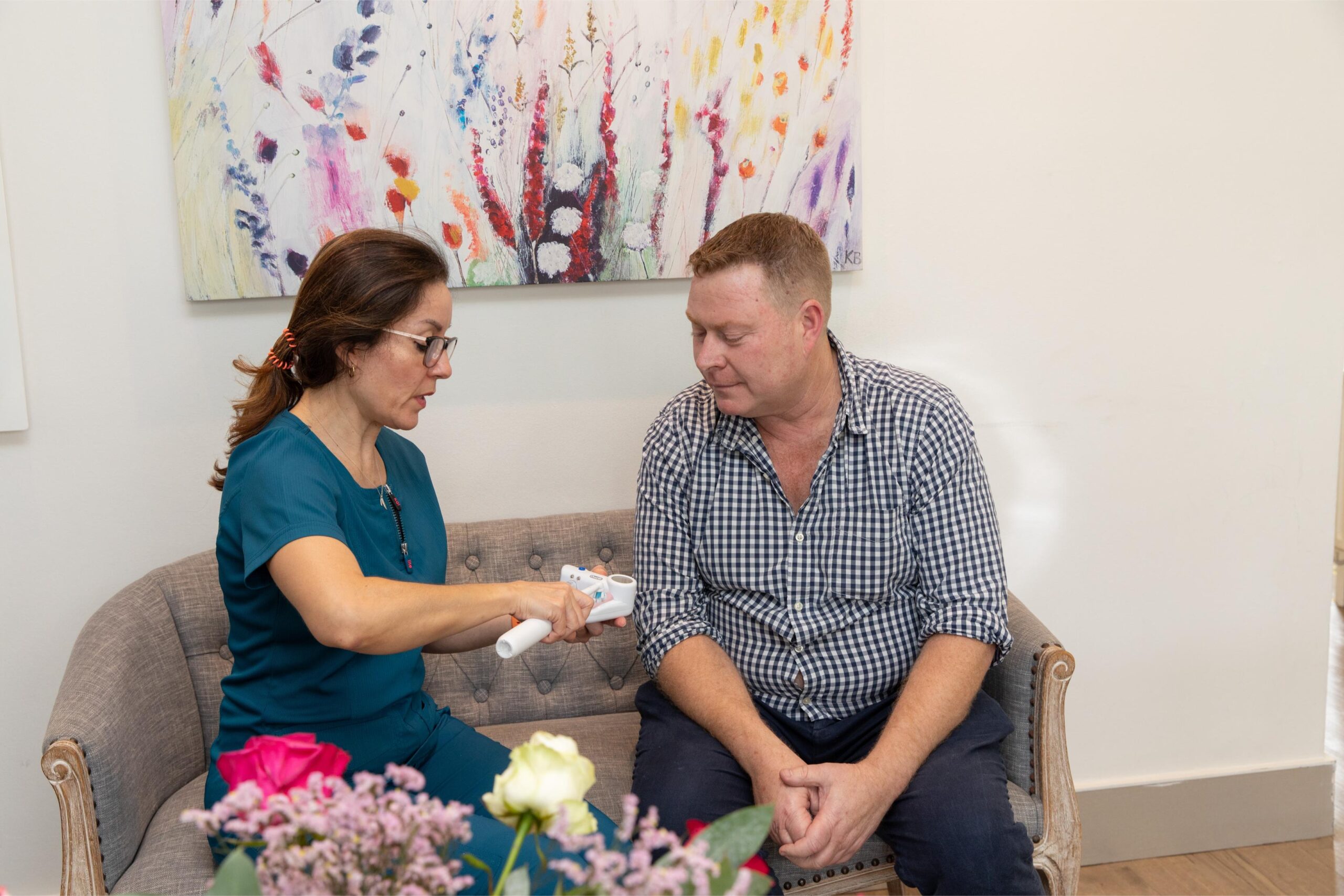
We have invested in a new system from EMS called Guided Biofilm Therapy, or GBT. This is a minimally invasive way to treat you for all of you Dental Hygiene needs.
GBT is the guided removal of the biofilm (plaque), calculus and stain deposits from your teeth, using a low abrasive erythritol powder (airflow) and ultra-sonic scaler, using water heated to 40 degrees, reducing sensitivity during your treatment. Erythritol reduces the amount of bacteria which makes it great in the treatment of gum disease. This system reduces the need for ultrasonic and hand scaling, making your Hygienist visit more comfortable.
It has several uses including removal of stain and plaque deposits. Treatment of gum disease around natural teeth and implants, maintenance of orthodontic brackets, and can be used on adults and children.
Book an appointment


Our hygienists will start by assessing your gum health, as they routinely do, by carrying out a periodontal (gum) evaluation. Following this your teeth will be disclosed to highlight the plaque deposits. This will be used to give you a plaque percentage score and to tailor your oral hygiene instruction and home-care advice.
The Airflow system will be used to remove the plaque, stain and young (softer) calculus, the benefits of this is, it can be used on natural teeth and dental implants. Any remaining calculus will then be removed using an ultrasonic scaler.
You will be given an information card with your plaque score, bleeding score, any personalised home-care advice, and an information booklet about GBT.
Your appointment times will change, and an additional charge of £20 or more will be applied to your account. All charges will be discussed prior to or at your hygiene appointment.
Currently, GBT, is the best way to provide minimally invasive hygiene care to patients. It is focused on patient comfort giving a pain free experience due to the warm water and the reduced need for ultra-sonic and hand scaling. Also, we are seeing more and more patients with dental implants, and this has been proven to be the best way to clean them safely and effectively. We will provide you with a pain free experience and you will look forward to you next visit!
If you have any question, or would like more information, please visit the link below:
Find out more BOOK AN APPOINTMENT
If plaque builds up around the teeth and gum line, the gum tissues can become inflamed. The irritated gums often bleed while brushing, making them susceptible to the bacteria in the mouth. Swollen, red gums are often one of the first signs of the early stage of gum disease, known as gingivitis. Other symptoms include tooth sensitivity and bad breath.
Hygiene appointments can help reverse gingivitis by removing the plaque and tartar deposits left at the gum line. If left untreated, the gums start to recede. This leads to pockets developing between the gum and the tooth, exposing the sensitive and vulnerable tooth root. Once plaque and tartar build-up on the root, it’s much harder to remove. This part of gum disease is called periodontitis and isn’t reversible like the earlier stage. It can be managed by a dentist or periodontist through more extensive periodontal treatment.
Often the anticipation of going to the dentist or dental hygienist is much worse than the actual visit. Listening to people with past bad dental experiences heightens anxiety. However, we aim to create a calm and relaxed environment. There can be an element of discomfort, and sometimes tooth sensitivity can be experienced. We will ensure you know what to expect before any treatment. We will also be guided by you and if you feel any pain, we will stop immediately to give you a break.
The amount of time between appointments for visiting your hygienist is specific to each individual patient. This will be based on the condition of your teeth and gums, the speed you build up tartar/calculus, staining, and your susceptibility to periodontitis. For simple tartar/calculus or stain removal, a three-monthly visit is usually enough. If there is any bone loss or unstable periodontal disease present, then more frequent visits may be advised.
Gum disease is caused by a build-up of plaque on the teeth. If this sticky substance is not removed, it can turn into hard tartar and start to irritate the gums, leading to redness and soreness. Without treatment, gingivitis can turn into bigger problems for your mouth such as periodontitis. This means the inner layer of the gum and bone pull away from the teeth and form pockets. These pockets can collect debris that can become infected. In some people, their immune system can overreact and start to break down the gum tissue and even the bone that supports the tooth.
The first stage of gum disease is known as gingivitis. If left untreated, gingivitis can lead to periodontitis, which can cause gums to separate from the teeth, creating pockets that can get infected. These pockets, over time, will deepen, the gums will continue to recede, and eventually, teeth can become loose and may have to be removed.

We are situated next door to Ealing Common tube station, which is on the Piccadilly and District lines.